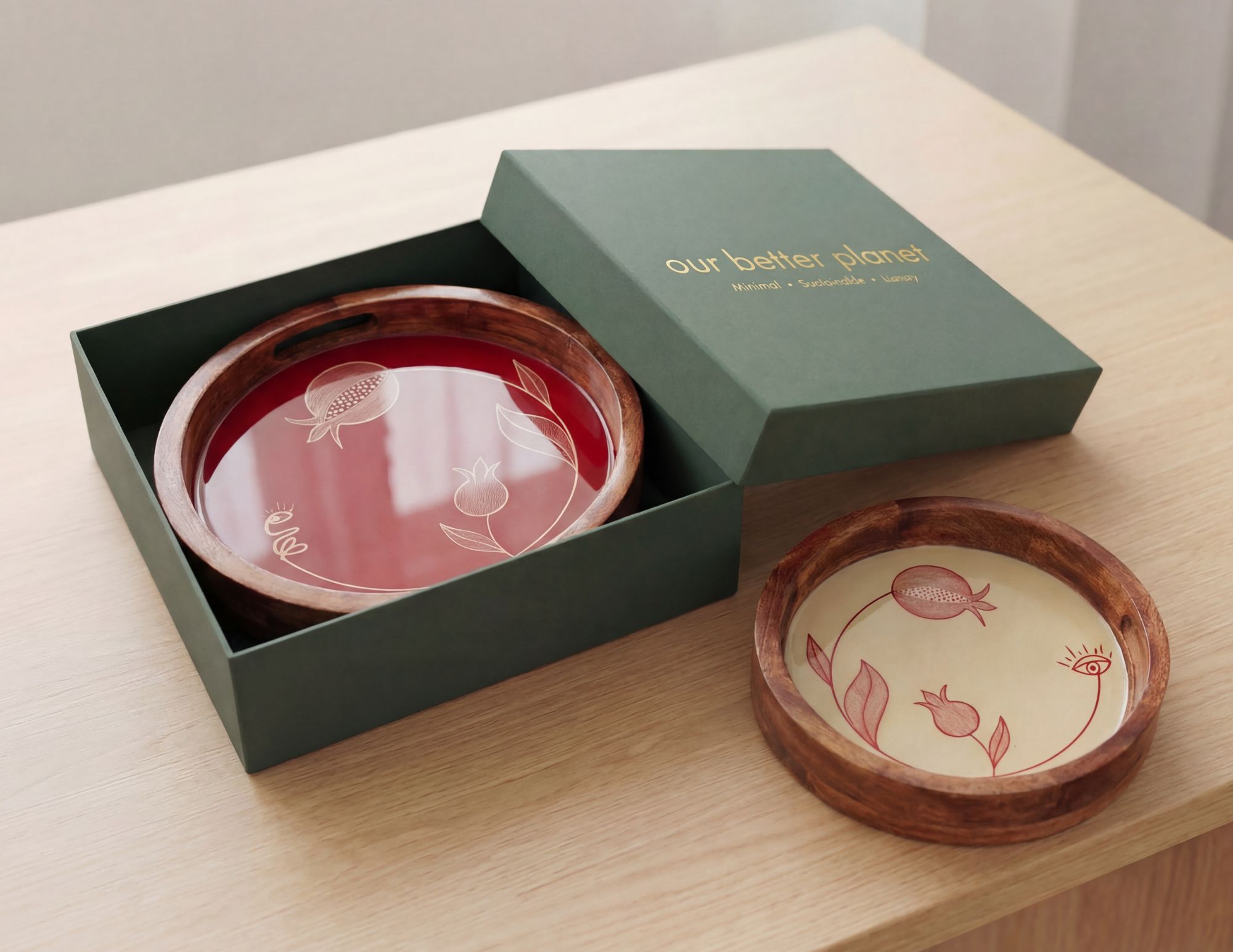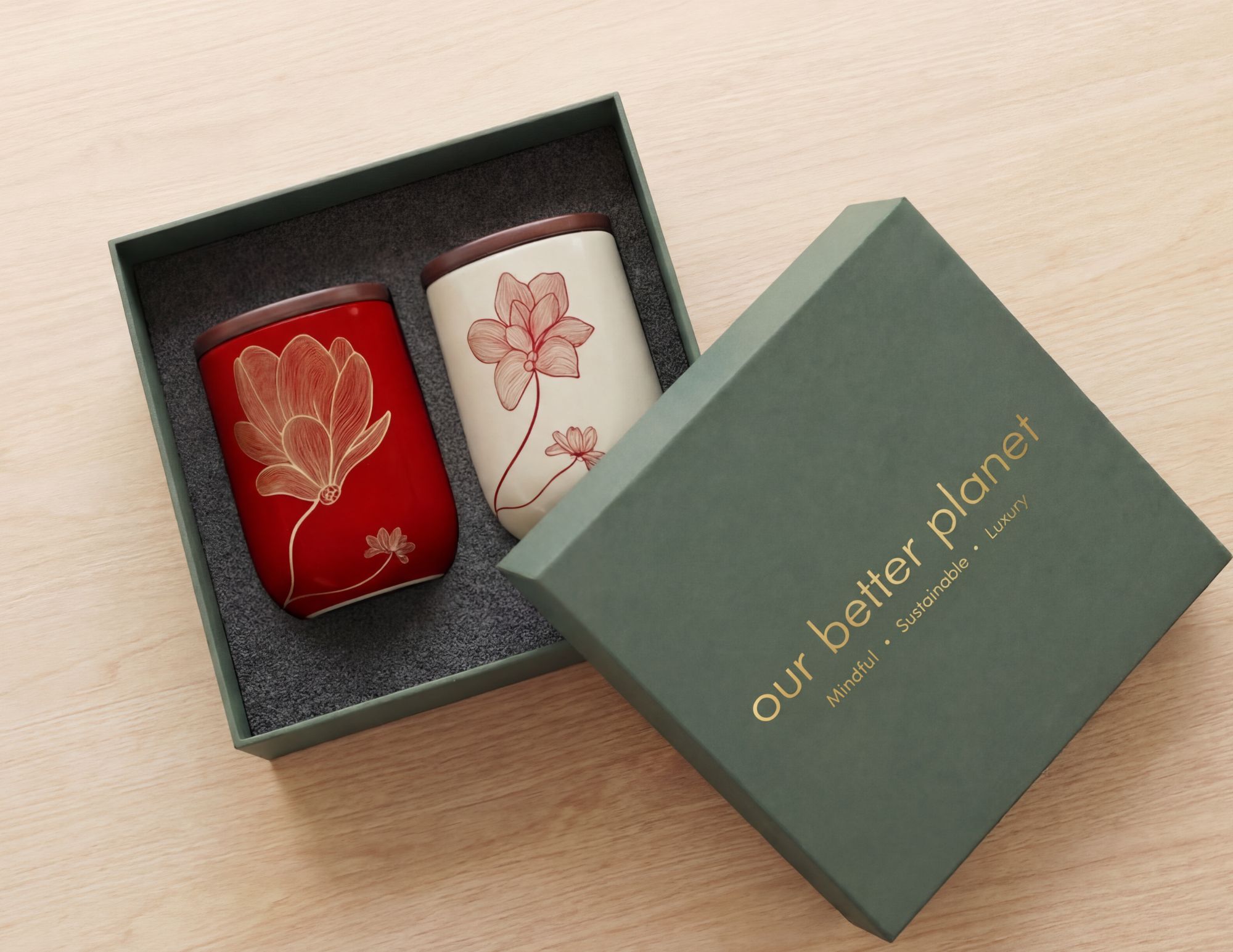


As sustainability becomes a priority for modern consumers, the demand for eco-conscious products has grown significantly. From ethically sourced materials to low-impact production processes, sustainable home decor brands and home & living brands are redefining how we furnish and style our spaces. In 2026, the focus is not just on aesthetics but also on environmental responsibility, durability, and mindful consumption.
If you're looking to transform your home while reducing your environmental footprint, this guide will help you explore some of the best sustainable living brands and what makes them worth your attention.
Why Choose Sustainable Home & Living Brands?
Sustainable shopping goes beyond trends; it’s about making long-term, responsible choices. Traditional home products often involve harmful chemicals, excessive waste, and unethical labor practices. In contrast, sustainable home decor brands prioritize:
-
Eco-friendly materials like bamboo, organic cotton, and recycled wood
-
Ethical production and fair trade practices
-
Minimal packaging and reduced carbon emissions
-
Long-lasting and durable designs
By supporting such home & living brands, you not only create a healthier home environment but also contribute to a more sustainable planet.

Key Features of the Best Sustainable Living Brands
When evaluating sustainable living brands, certain qualities set the best apart:
1. Eco-Friendly Materials
Top brands use renewable, biodegradable, or recycled materials. Whether it's reclaimed wood furniture or organic fabric cushions, material choice plays a major role in sustainability.
2. Ethical Manufacturing
Brands that ensure fair wages, safe working conditions, and transparent supply chains are essential for responsible consumption.

3. Low-Waste Practices
From plastic-free packaging to zero-waste production processes, leading sustainable home decor brands aim to minimize environmental impact.
4. Timeless Design
Instead of fast-changing trends, these brands focus on classic, durable designs that last for years, reducing the need for frequent replacements.

Popular Categories in Sustainable Home & Living
Here are some key product categories where home & living brands are making a significant impact:
Sustainable Home Decor
This includes eco-friendly wall art, handmade decor items, recycled glass vases, and natural fiber rugs. These products add style without harming the environment.

Kitchen & Dining Essentials
Reusable kitchen products such as bamboo utensils, stainless steel straws, compostable dishware, and organic cotton napkins are becoming increasingly popular among sustainable living brands.

Furniture
Sustainably sourced wood furniture, modular designs, and upcycled pieces are key offerings from responsible home & living brands.

Eco-Friendly Cleaning & Lifestyle Products
Non-toxic cleaners, refillable containers, and biodegradable tools help maintain a clean home while reducing chemical exposure and waste.
Top Sustainable Home & Living Brands to Explore in 2026
While many brands are entering the eco-conscious space, some stand out due to their commitment and innovation. Here are the types of sustainable home decor brands you should look for:
1. Brands Focused on Zero-Waste Living
These brands offer reusable alternatives to everyday household items, helping reduce landfill waste.
2. Artisan & Handcrafted Brands
Supporting local artisans not only preserves traditional craftsmanship but also ensures ethical production practices.

3. Organic & Natural Material Brands
Brands specializing in organic textiles, natural dyes, and chemical-free products are gaining popularity among eco-conscious consumers.
4. Upcycled & Recycled Product Brands
These sustainable living brands transform waste materials into functional and stylish home products, promoting circular economy principles.

How to Choose the Right Sustainable Brand
Not all brands that claim to be sustainable truly follow eco-friendly practices. Here’s how you can make informed decisions:
-
Check Certifications: Look for labels like Fair Trade, FSC (Forest Stewardship Council), or GOTS (Global Organic Textile Standard).
-
Research Brand Values: Explore the company’s mission, sourcing methods, and sustainability initiatives.
-
Read Product Details: Materials, production process, and packaging information can reveal a lot about a brand’s authenticity.
-
Avoid Greenwashing: Be cautious of vague claims like “eco-friendly” without supporting evidence.
Choosing genuine home & living brands ensures your purchases align with your sustainability goals.

Shop Sustainable with Ease
This platform brings together a variety of sustainable home decor brands and sustainable living brands, making it easier to shop responsibly without compromising on quality or style.
Benefits of Switching to Sustainable Home Products
Making the shift to sustainable products offers multiple advantages:
-
Healthier Living Space: Reduced exposure to harmful chemicals
-
Environmental Impact: Lower carbon footprint and reduced waste
-
Cost-Effective in the Long Run: Durable products mean fewer replacements
-
Support Ethical Businesses: Encourages responsible production practices
By choosing eco-conscious home & living brands, you contribute to a better future while enhancing your living space.
Final Thoughts
Sustainability is no longer a niche—it’s becoming the standard for modern living. As we move through 2026, more consumers are embracing mindful purchasing decisions, and brands are responding with innovative, eco-friendly solutions.
Whether you're redecorating your home or making small lifestyle changes, investing in sustainable home decor brands and sustainable living brands is a step toward a greener future. By supporting responsible home & living brands, you not only elevate your home but also play a part in protecting the planet.
Start small, stay consistent, and choose products that reflect both your style and your values.