

Why Diwali Gifting Etiquette Matters
A Diwali gift is more than an object. It carries a wish for prosperity, good health, and a bright year ahead. That is why small details, such as colour, timing and presentation, matter more than the price.
Good Diwali gifting etiquette that Indian families follow comes down to thoughtfulness, not price. If you are gifting to someone from a different community, a client, or a family you are meeting for the first time, a little etiquette knowledge goes a long way. Customs vary by region, family, and community, so treat this guide as a calm starting point, not a strict rulebook.
What to Give: Appropriate Diwali Gifts
These are widely appreciated and safe for most families:
-
Sweets and dry fruits. The classic choice. Choose a box that will keep for a few days and check for dietary needs.
-
Diyas and tealight holders. They are part of the festival and feel meaningful. Clay, terracotta, and brass are all traditional.
-
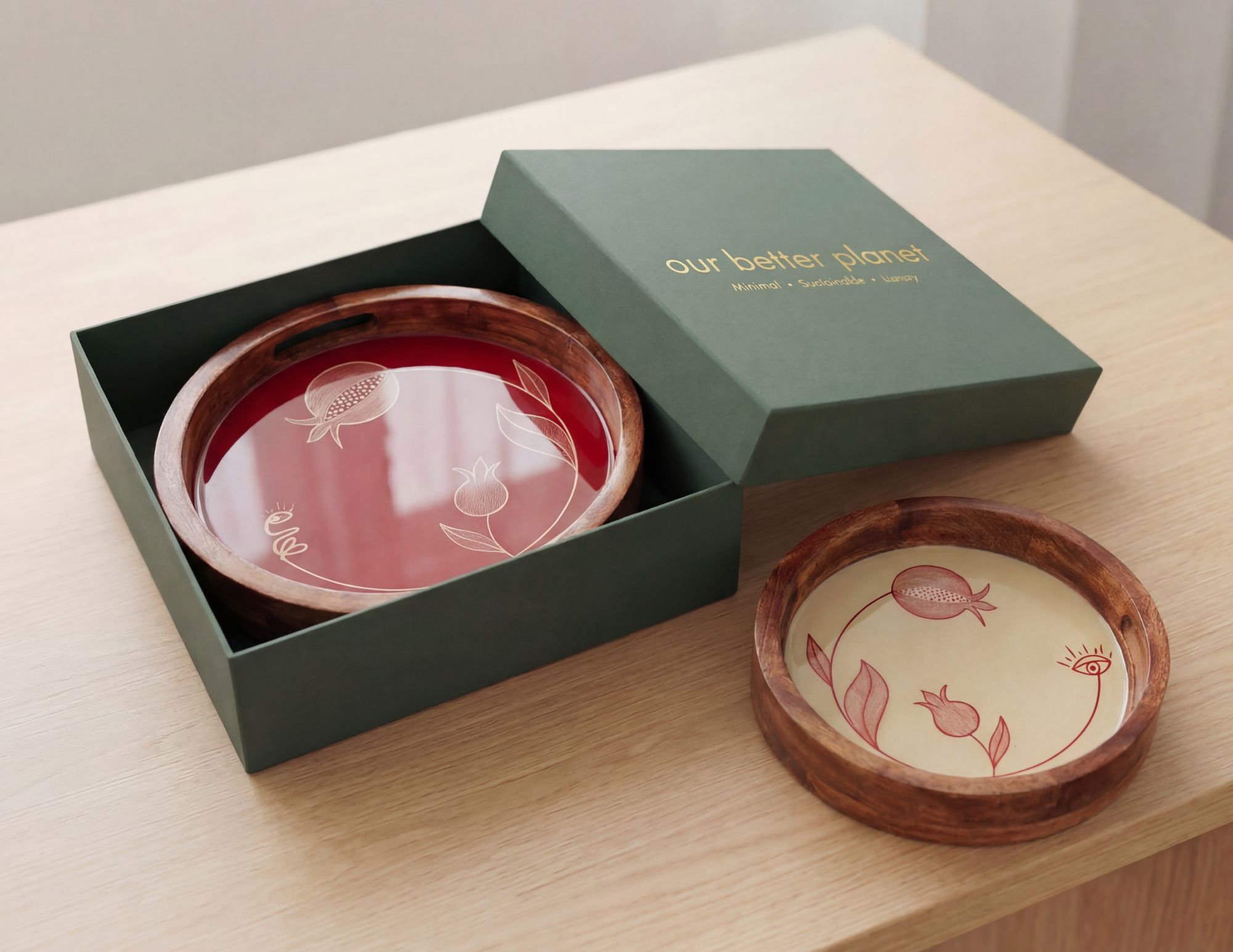
Home décor. Torans, door hangings, lanterns and handcrafted tealight holders brighten a home for the season.
-
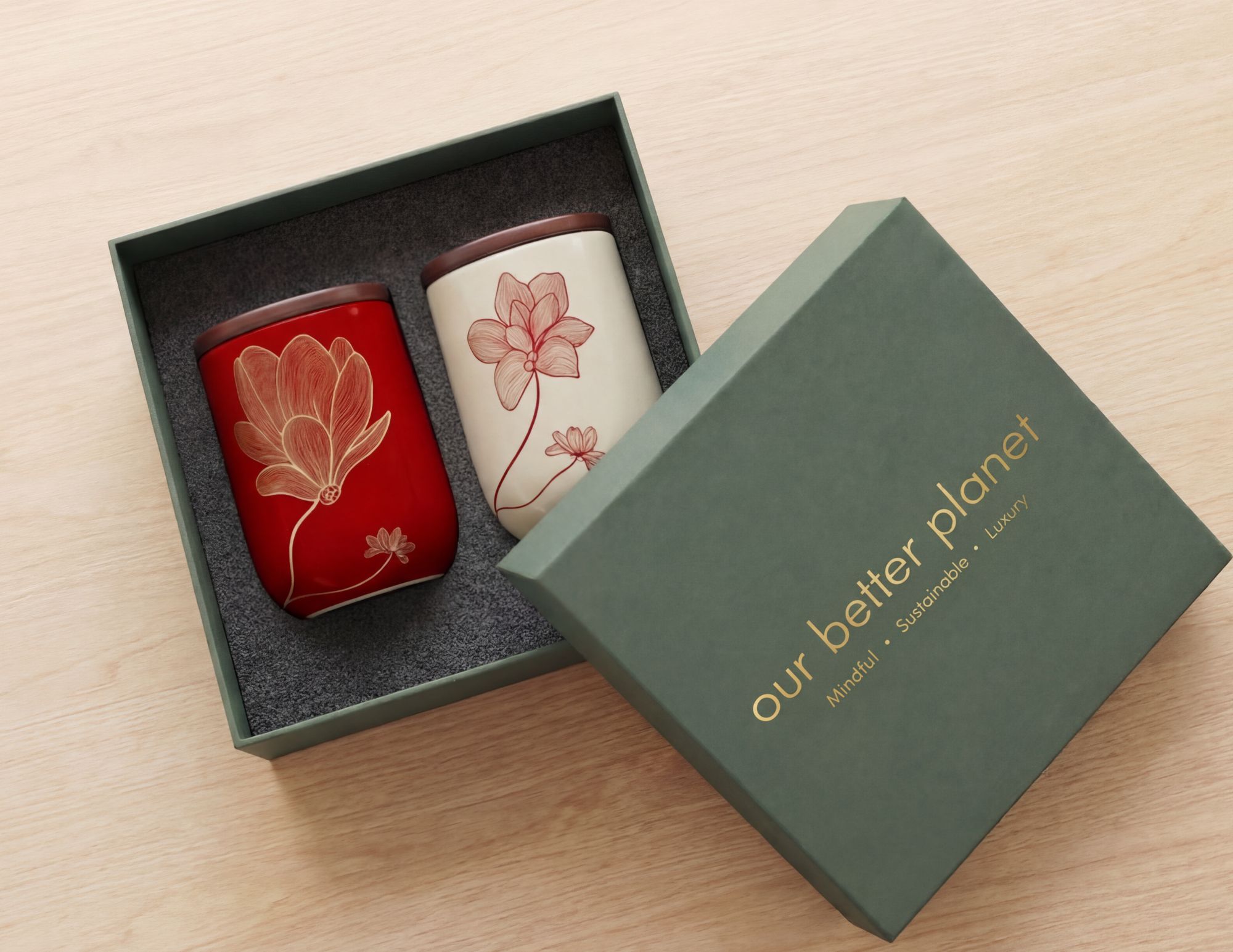
Tea and gourmet items. A good tea set is thoughtful for elders, colleagues, and hosts.
-
Scented candles and aroma items. A gentle fragrance suits most homes. Choose mild scents over very strong ones.
-
Pooja items. For close family or friends who observe, a pooja thali or box can be a lovely gift.
For a wider selection, browse the Diwali Gifts collection or the Festive Hampers.

What Not to Gift on Diwali
If you are wondering what not to gift on Diwali, these are the items most often avoided. Customs differ, so use them as a guide, not an absolute rule.
-
Black items or black wrapping. Black is generally seen as unlucky during festivals. Choose gold, red, maroon, green, yellow or pink.
-
Knives and sharp objects. They are seen as symbols of cutting ties.
-
Leather goods. Some families avoid leather during festivals, especially if they are strictly vegetarian or observe certain rituals.
-
Alcohol. Many households do not drink, and it can feel out of place for elders or colleagues. Only gift it if you know the person enjoys it.
-
Rounded cash amounts. Many people prefer amounts ending in 1, such as ₹501 or ₹1,101, which is seen as a symbol of continued growth.
-
Used or second-hand items. A fresh, new gift is the expectation.
-
Anything with a deity image that could be disrespected. If you gift religious items, choose pieces designed for worship and make sure the person observes.

Diwali Gift Rules India Families Follow: A Simple Cheat Sheet
|
Do |
Avoid |
|---|---|
|
Choose warm colours such as gold, red, maroon or green |
Black wrapping or all-black packaging |
|
Give an odd number of items or an amount ending in 1 |
Rounded cash amounts when gifting money |
|
Check food preferences before gifting sweets |
Strong-smelling foods for people who are vegetarian or fasting |
|
Hand the gift over with both hands or your right hand |
Handing it over casually or throwing it onto a table |
|
Add a short handwritten note |
Leaving the gift without any message |
|
Gift in the week before Dhanteras or on the festival days |
Giving gifts after the festival has ended |

How to Present a Diwali Gift
The presentation often matters as much as the gift. Here is how to present Diwali gift boxes and hampers well.
Choose the right wrapping. Gold, maroon, green, warm yellow, and festive prints all work. Reusable boxes, cloth wraps, wooden boxes, and thalis feel premium and can be kept.
Add a note. Two or three lines are enough. Mention a wish for the year ahead and one personal detail.
Offer it with care. Hand it over with a smile, and use both hands or your right hand. In many homes, you may offer a gift to elders by bowing slightly or touching their feet, depending on family custom.
Use a tray or thali for formal gifting. For elders or formal visits, a decorated thali with the gift, a diya, and a few flowers feels respectful.
Time it well. Visits usually happen between Dhanteras and Bhai Dooj. Aim to gift on or just before the main days rather than after.

Etiquette for Different Recipients
-
Family elders: choose traditional items such as dry fruits, brass diyas, sweets or pooja items. Keep it warm and simple.
-
Friends: a candle, tea, or handcrafted décor feels personal. You can be more playful.
-
Colleagues and clients: keep it neutral and polished. Avoid alcohol, strongly scented items, or anything too personal.
-
Neighbours and hosts: a small box of sweets, a diya set or a tealight holder is generous without being heavy.
-
Domestic help and delivery staff: cash or useful items, often given with sweets, is customary in many homes.
To make a gift feel more individual, read our guide on Personalised Diwali Gifts India: How to Make Your Hamper Feel One of a Kind.

Choosing Gifts That Respect Everyone
Today, many Indian households are mindful of different diets and values. A few easy choices make a gift suitable for almost everyone:
-
Pick vegetarian items and avoid anything with egg or animal-derived ingredients.
-
Choose reusable or biodegradable packaging so the gift does not turn into waste after the festival.
-
Prefer handcrafted items that carry the story of an artisan. They feel more thoughtful than mass-produced items.
-
Skip products with strong religious imagery unless you know the person observes that tradition.
For more on this, see Artisan-Made Diwali Gifts: Why Handcrafted Beats Mass-Produced Every Time.

Quick Summary
Good Diwali gifting etiquette is about thoughtfulness. Give auspicious, useful gifts such as sweets, diyas, tea and décor. Avoid black wrapping, sharp objects, and rounded cash amounts. Present the gift with warm colours, a handwritten note, and a gentle hand-over. When in doubt, choose a simple, well-wrapped gift.
FAQs
1. What are appropriate Diwali gifts in India?
Sweets, dry fruits, diyas, tealight holders, tea sets, scented candles, and handcrafted home décor are appropriate and widely appreciated. Choose items that are useful, auspicious, and easy to enjoy. Always consider the recipient’s dietary habits and family traditions before choosing food or religious items.
2. What should you not gift on Diwali?
Avoid black items or wrapping, knives and sharp objects, leather goods, and rounded cash amounts. Alcohol is best avoided unless you know the person enjoys it. Customs vary by region and family, so use this as a guide and choose something warm and simple.
3. How should I present a Diwali gift?
Wrap it in warm colours such as gold, maroon, or green, add a short handwritten note, and hand it over with both hands or your right hand. For elders or formal visits, a decorated thali makes the presentation feel respectful and festive.
4. Is it okay to gift cash on Diwali?
Yes, cash is common, especially for family, staff, and younger relatives. Many people prefer amounts ending in 1, such as ₹501 or ₹1,101, which symbolise growth. Place the money in an envelope or a decorated cover rather than handing it over loose.
5. When is the right time to give Diwali gifts?
Most gifts are exchanged between Dhanteras and Bhai Dooj, with the main visits around Lakshmi Puja. Aim to give your gift just before or on those days. Gifts that arrive after the festival feel less meaningful, so plan and order early if the gift is being shipped.
6. What colours are lucky for Diwali gift wrapping?
Gold, red, maroon, green, warm yellow, and festive prints are generally seen as auspicious. Avoid black wrapping, which is considered unlucky in many families. Reusable cloth wraps and wooden boxes in these colours feel premium, look festive, and can be kept and reused by the person receiving the gift.